Wet crawlspace
You see A musty smell upstairs, cupped floors, or visible dark growth on joists
What helps Dry the space, remove affected materials, fix the water entry point and control humidity
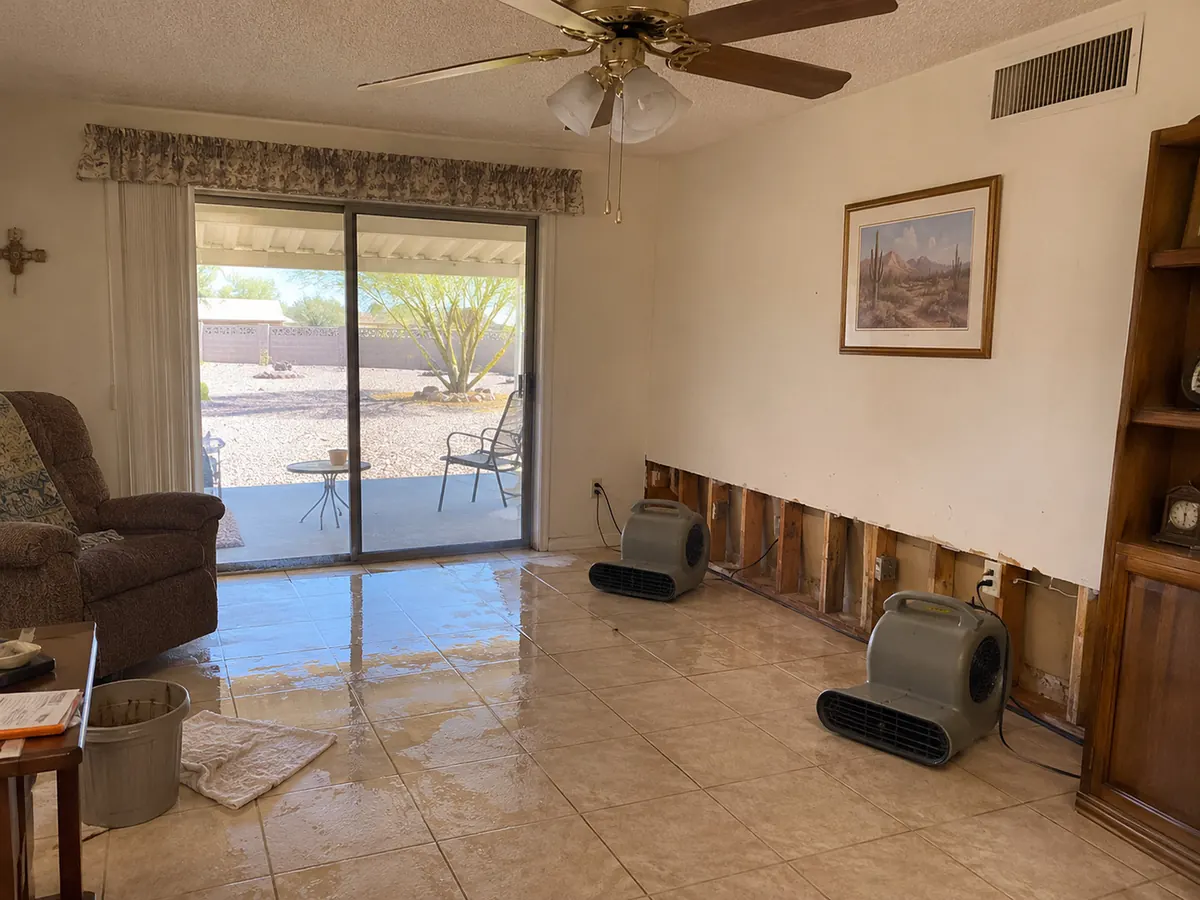
Mercer Island Resto handles water extraction, structural drying, mold remediation and sewage cleanup for homes and buildings on the island. The emergency line is open 24 hours and the office keeps weekday hours from 8:00 AM to 7:00 PM.
Water on a floor, a wet basement or a flooded room? Call and we will explain extraction first, then drying and what gets measured.
Call (564) 777-0869Open Monday through Friday, 8:00 AM to 7:00 PM
Emergency: 24 Hours
Mercer Island Resto serves homeowners, landlords and building managers on Mercer Island, Washington, and the nearby communities listed on our areas page. Calls come in for supply line failures, appliance leaks, wet crawlspaces, storm-damaged roofs and sewer backups.
The work starts with finding where the water came from and how far it traveled, then moves to extraction, controlled drying with moisture readings, and cleanup of anything the water contaminated. Rebuild work is scoped separately after the structure tests dry.
Each service page covers signs, the process, typical estimates and what falls outside the scope.
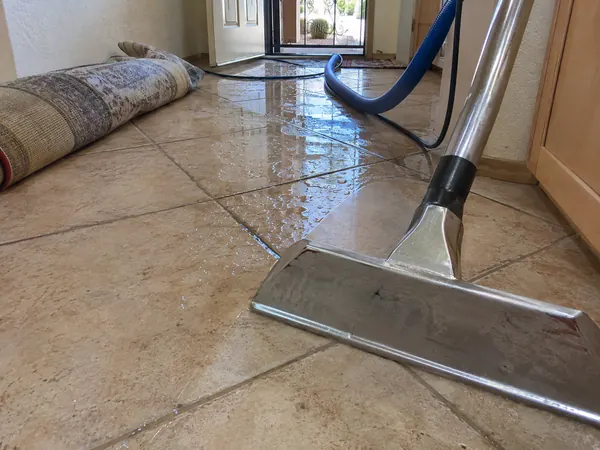
Truck-mounted and portable extractors pull standing water from floors and carpet, and moisture mapping shows what else is wet before drying begins.
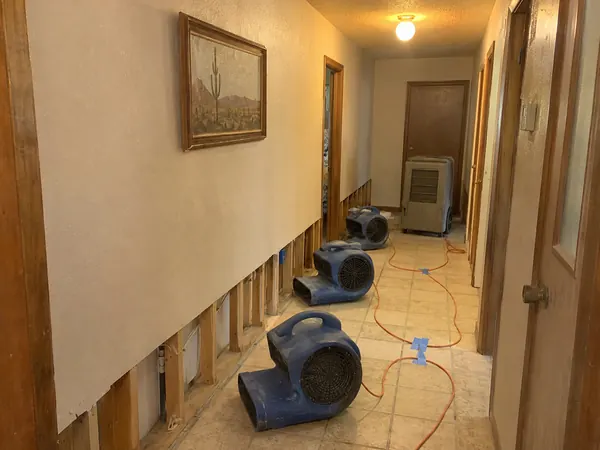
Air movers and dehumidifiers dry walls, floors and framing, and readings at each visit show when moisture has returned to normal levels.
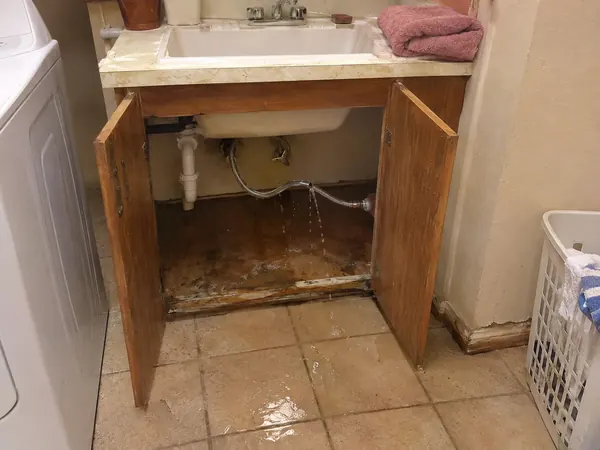
After a pipe splits, the crew removes water, opens wet cavities and dries them with measured equipment, leaving the plumbing repair to a licensed plumber.
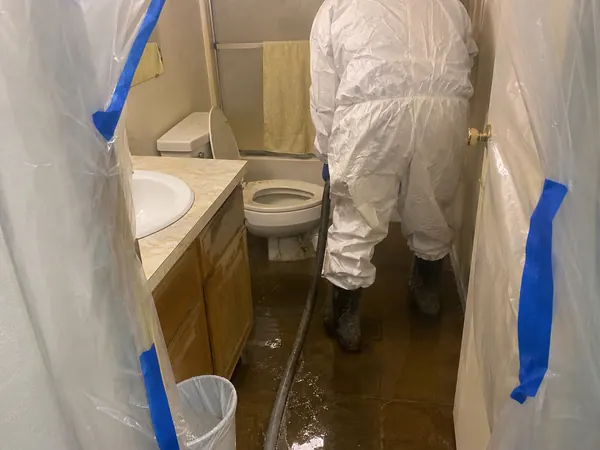
Containment, removal of contaminated materials and treatment of surfaces after a sewer or drain backup, done with protective equipment.
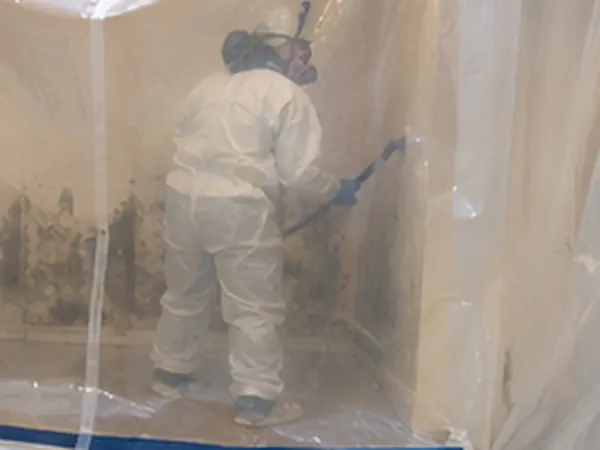
Containment, HEPA air filtration and removal of mold-affected materials in crawlspaces, walls and attics, along with steps to control moisture afterward.
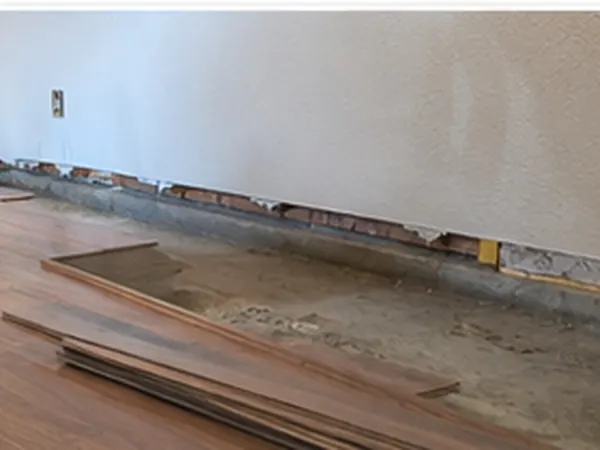
Water removal and structural drying for flooded basements, plus a check of sump pumps, footing drains and entry points before the next storm.
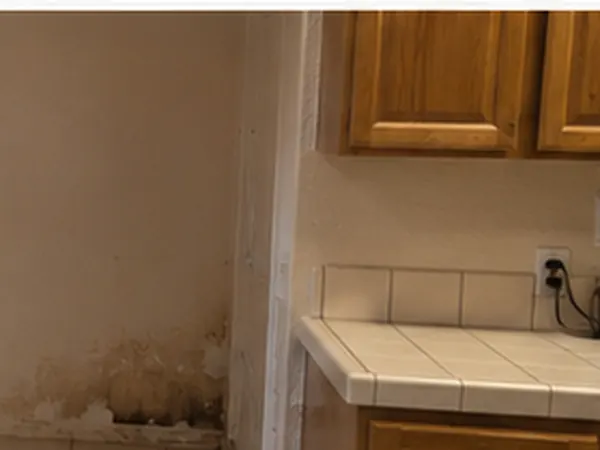
Cleanup after storm rain, runoff and wind damage, with water removal, structural drying and temporary protection until repairs are made.
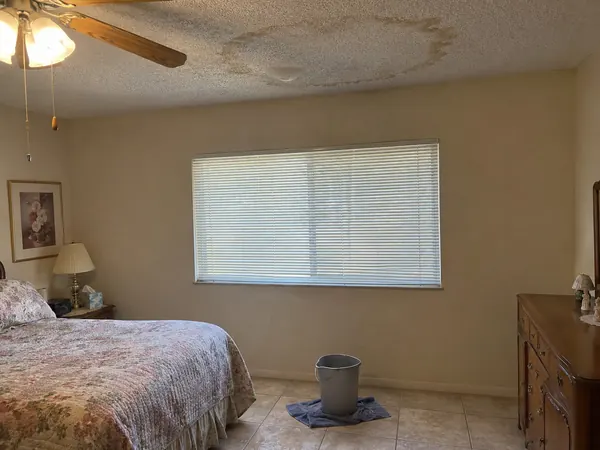
Wet insulation, ceiling drywall and framing are dried or replaced after a roof leak, with temporary covering placed until a roofer finishes repairs.
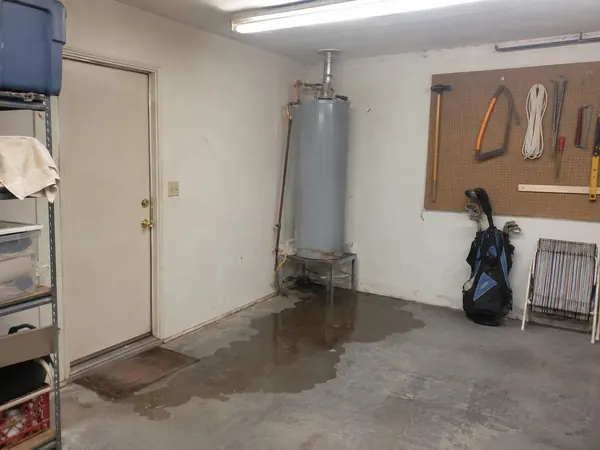
Cleanup after a failed supply hose, water heater tank or built-in appliance, with attention to cabinets, stone and wood floors.
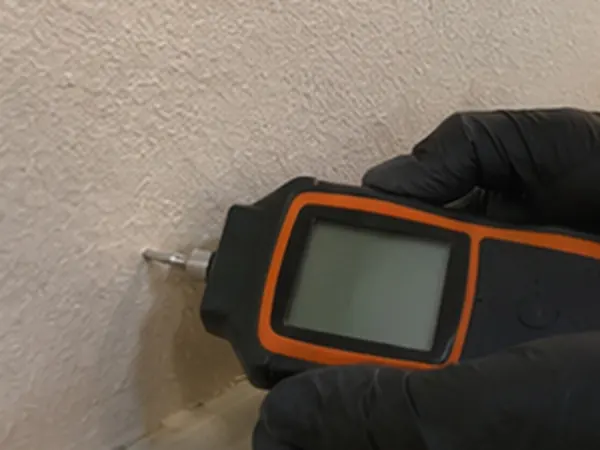
Water that crosses units is traced, extracted and dried floor by floor, with records that help owners, associations and insurers sort responsibility.
Extraction, drying and documentation for offices, shops and restaurants, with work planned around operations and inventory.
You describe what happened, and we tell you which valve or breaker to reach first so the leak stops growing while the crew is on the way.
A moisture meter and a thermal camera map wet drywall, subfloor and framing, and the readings become the baseline for the whole job.
Standing water comes out first, then air movers and dehumidifiers are placed by the wet areas and checked on later visits until readings match dry reference materials.
Affected surfaces are cleaned or removed according to the water category, and the file gets photos, readings and an equipment log you can hand to an insurer.
Early action limits how far moisture travels.
The industry sorts water into three categories by contamination level. The category decides which materials can be dried in place and which must be removed.
Rainfall runs roughly 39 to 42 inches a year, concentrated from October through March, which keeps soil saturated and puts steady pressure on foundations and roofs.
Many properties sit on hillsides, so runoff moves downhill toward foundation walls, and old or blocked footing drains can let water seep into basements and crawlspaces.
Closed, humid crawlspaces hold moisture against wood framing, which is where musty smells and hidden mold usually begin on the island.
In April 2024 a leak in a 24-inch main installed in 1956 led the city to evacuate about 20 homes, a reminder that the island's water depends on aging buried pipe.
Sloped lots send runoff toward foundations, and a blocked drain lets it through.
You see A musty smell upstairs, cupped floors, or visible dark growth on joists
What helps Dry the space, remove affected materials, fix the water entry point and control humidity
You see Damp patches at the base of the wall after heavy rain, or efflorescence on concrete
What helps Extract and dry the area, then have the footing drain and grading checked
You see Ceiling stains or dripping after a windstorm that dropped branches on the roof
What helps Tarp the opening, dry the ceiling and insulation, and schedule roof repair
Soil stays saturated through the long wet season, which is when most calls arrive.
Wet season, October through March Driest months, July through September
These ranges are typical for the island and move with area size, water category and finish level.
| Job type | Typical estimate |
|---|---|
| Small clean-water leak, under 100 square feet | $800 to $2,000 |
| Burst pipe affecting one or two rooms | $2,500 to $7,500 |
| Gray water or appliance flood with flooring removal | $3,000 to $9,000 |
| Sewage backup, affected area cleaned and treated | $4,000 to $12,000 and up |
Typical estimates, not guaranteed prices. Call for an exact quote.
Use the estimator, drying timeline and checklists to plan before you call, with every table readable without scripts.
Beyond the island, the crew also takes calls in these nearby communities, and each page lists the local conditions that shape the work.
Storm runoff from large paved areas, wet condo floors and hillside basements shape most calls in Bellevue.
Bluff seepage, wet lower levels and appliance leaks in high-value lakefront homes drive most calls in Medina.
Fast hillside runoff and wet lower levels near Cougar Mountain drive most water damage calls in Newcastle.
Older basements, combined sewers and storm runoff drive most water damage calls across Seattle neighborhoods.
A high water table and Cedar River flooding history drive crawlspace water and silt cleanup calls in Renton.
Monday through Friday, 8:00 AM to 7:00 PM
Emergency: 24 Hours
Serving Mercer Island, WA and Nearby Area
Small clean-water jobs often start near $800, while larger floods or sewage jobs run into the thousands. Area, water category and materials set the number, and an on-site moisture reading gives a firmer quote.
Mold can begin growing within 24 to 48 hours on damp organic material, and the island's humid crawlspaces speed that up. Starting extraction and drying quickly is the most reliable way to prevent it.
Sudden events such as a burst pipe are commonly covered, while sewer backup and flood usually need an endorsement or separate policy. Read your policy and call your insurer early, and we supply the documentation.
Clean-water jobs are usually fine to live around once electricity near the wet area is off. For sewage or visible mold, plan to stay out of the affected rooms, and keep children and pets away.
Shut off the water at the main or the fixture, turn off power to wet areas if it is safe, lift small items off wet floors, and take photos of the damage for your insurer.
Winter windstorms drop limbs from tall trees onto roofs. The first hours decide how much rain reaches the ceiling and insulation below.
Damp walls in a wet season can come from condensation, a plumbing leak or groundwater. A few simple checks help tell them apart.
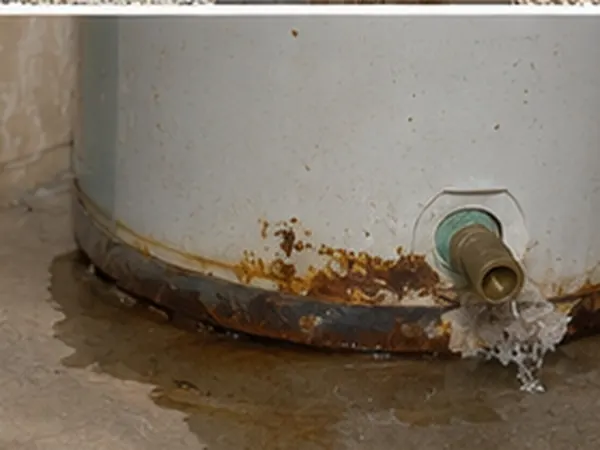
A tank that fails in a finished home can wet floors, drywall and cabinets in minutes. Here is what to check and when to replace it.
Call the emergency line at any hour and tell us what you see.