What to do after a storm
| If you see | Do this | Call |
|---|---|---|
| Ceiling drip or stain after a branch hit the roof | Catch water, move belongings and keep out of the room if the ceiling bulges | Water damage crew, then a roofer for the tarp and repair |
| Water entering a basement wall or window well during heavy rain | Stay out if electrical equipment is wet and clear what you safely can | Water damage crew, and a drainage contractor for the cause |
| Mud or soil moving toward the foundation or a cracked retaining wall | Leave the area, keep family away from the slope and watch for changes | City of Mercer Island and a geotechnical engineer, and 911 if people are in danger |
| Downed power line or sparks near wet areas | Stay back at least 30 feet and keep others away | 911 and the electric utility before any cleanup |
Why storms hit island homes hard
Tall Douglas firs and other mature trees stand close to many houses, and winter winds can drop large limbs onto roofs and gutters. Saturated soil also loosens root hold, which makes limb and tree failure more likely during repeated storms.
Heavy rain on hillsides concentrates runoff along driveways and lot lines, and blocked drains send it toward foundations. The city maps landslide and seismic hazard areas, so storm cleanup near steep slopes sometimes needs an engineer's review before repairs begin.
Signs of storm water damage
- Drips or dark stains on ceilings after wind and rain
- Water around window frames or glass doors
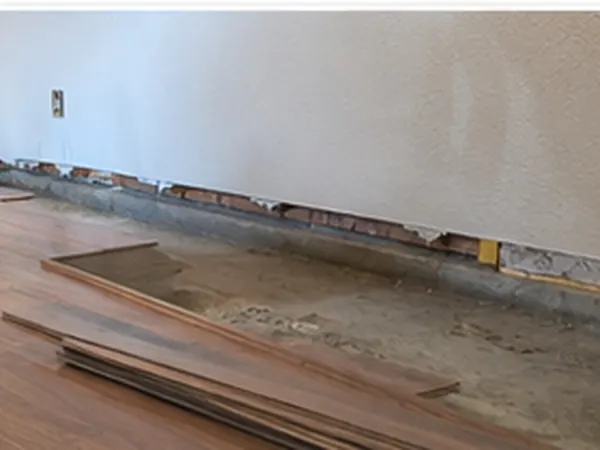
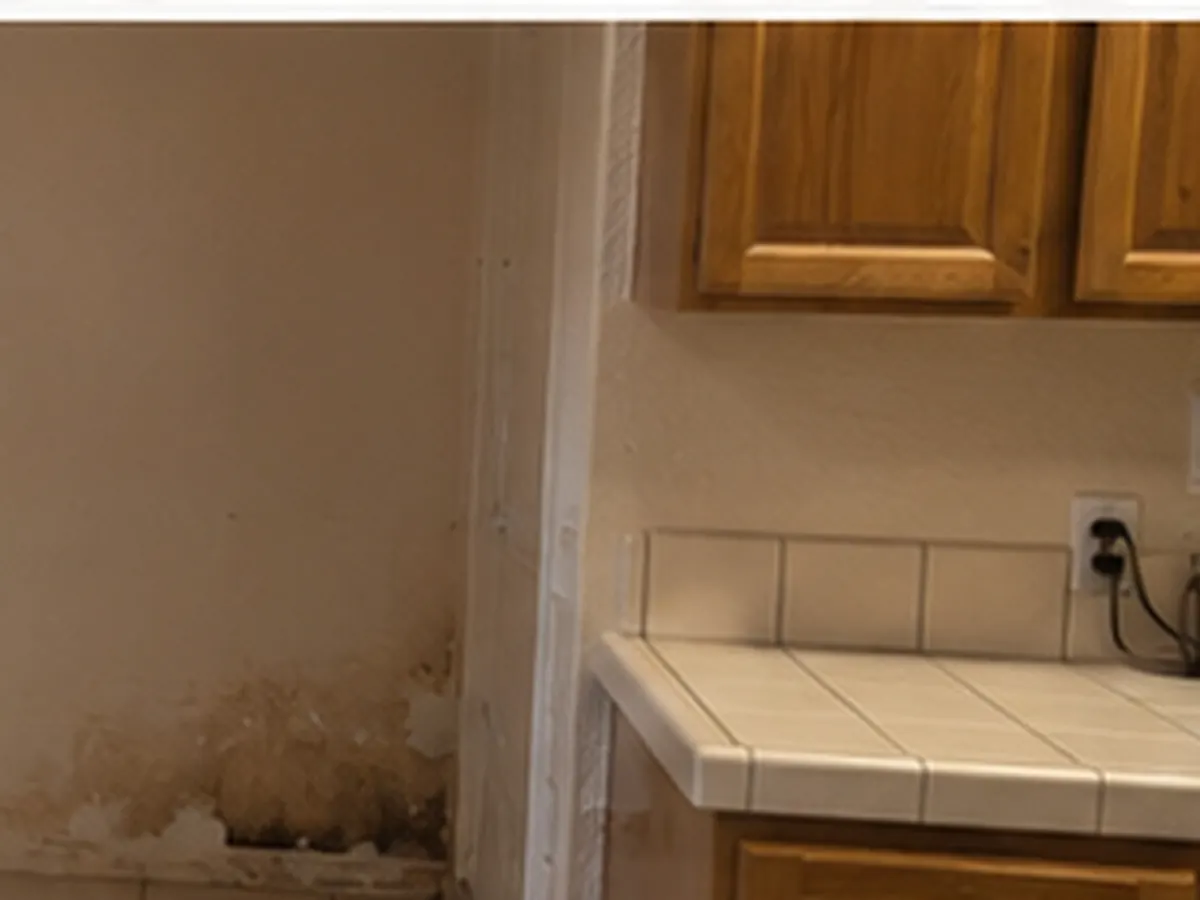
- Damp carpet along exterior walls
- Gutters pulling away or overflowing against the foundation
- Fresh cracks in a retaining wall or soil movement near the house
Slopes, permits and engineers
Mercer Island keeps critical-area rules and hazard maps for geologic hazards, and work in or near a mapped landslide area may require a geotechnical report. Ask the city before digging or building retaining structures after a storm.
Tools for this problem
How storm cleanup works
Safety review
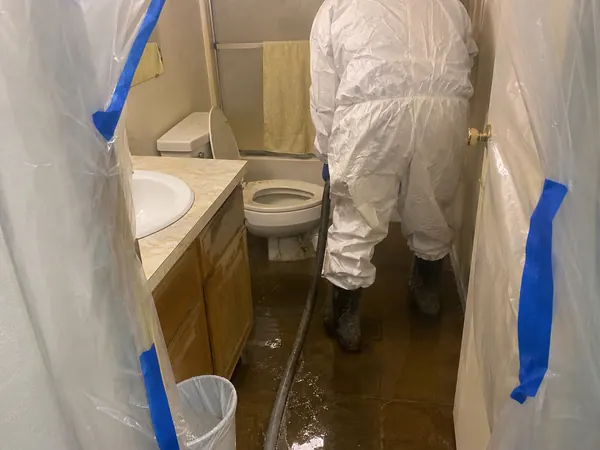
The crew checks for power hazards, structural damage and slope movement before entering wet areas.
Temporary protection
Roof openings and broken windows are covered with tarps or board-ups so rain stops entering.
Water removal
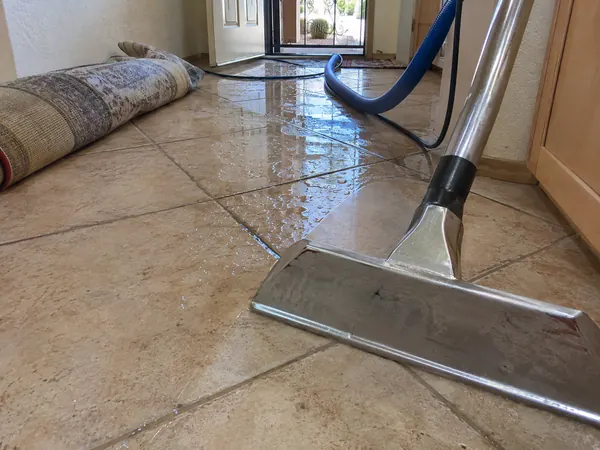
Pumps and extractors remove standing water from floors, and wet materials are listed for removal or drying.
Structural drying
Dehumidifiers and air movers run with readings taken at each visit until framing and finishes reach dry standards.
Repair referral and file
You get photos, readings and a list of repairs for the roofer, drainage contractor or general contractor to follow.
Before the crew arrives
- Stay away from downed lines and anything touching them
- Keep out of rooms with sagging ceilings
- Photograph the roof damage from the ground, without climbing on a wet roof
- Move furniture away from leaks and place buckets under drips
- Save receipts for emergency supplies and temporary repairs
Storm damage problems
Roof penetration by a limb
You see Water drips from a ceiling fixture or the attic is wet
What helps A tarp stops the leak, then wet insulation and ceiling drywall are dried or replaced
Overflowing gutters and downspouts
You see Water pools at a corner of the foundation or stains siding
What helps Gutters are cleared and extended, and wet crawlspace or basement areas are dried
Saturated slope near the house
You see New seepage, leaning fences or cracks in a wall below the house
What helps A geotechnical engineer evaluates the slope before drainage or retaining work, and city permits may apply
What storm cleanup does not cover
We do not: The crew dries and protects, and it does not remove fallen trees, rebuild roofs or stabilize hillsides.
Call instead: Call a licensed tree service for limbs, a roofer for repairs and a geotechnical engineer for any moving slope.
Typical Storm & Flash Flood Damage cost in Mercer Island, WA
Storm cleanup varies with the number of entry points, the amount of water and whether temporary protection is needed.
| Job type | Typical estimate |
|---|---|
| Roof leak with ceiling drying | $1,200 to $4,500 |
| Water entering through windows or doors | $1,500 to $5,000 |
| Basement or crawlspace water after runoff | $2,500 to $9,000 |
| Tarp or board-up, per opening | $400 to $1,500 |
Typical estimates, not guaranteed prices. Call for an exact quote.
Questions people ask
[Cost] What does storm damage cleanup cost?
A roof leak with ceiling drying often runs $1,200 to $4,500, while basement or crawlspace water can reach $9,000. Tarps and board-ups add a few hundred dollars per opening, and the final price follows the readings.
[Timing] How quickly should I respond after a storm?
Cover openings and call as soon as it is safe, since more rain can follow within hours. Early tarping and drying prevent wet insulation and mold, which are far more expensive than the first visit.
[Insurance] Is storm damage covered by homeowners insurance?
Wind and falling tree damage is typically covered, along with the resulting water entering through the opening. Groundwater and surface flooding commonly are not, so confirm which category applies before you file.
[Safety] Is it safe to stay home after a storm?
Stay only if the structure looks sound, no power lines are down and no ceilings are sagging. If a hillside near the house is moving or cracking, leave and contact the city.
[Process] Do you handle trees and roofs?
We handle water, drying and temporary tarps. Tree removal, roof repair and slope work belong to other trades, and we can share the damage file so they know exactly what to address.